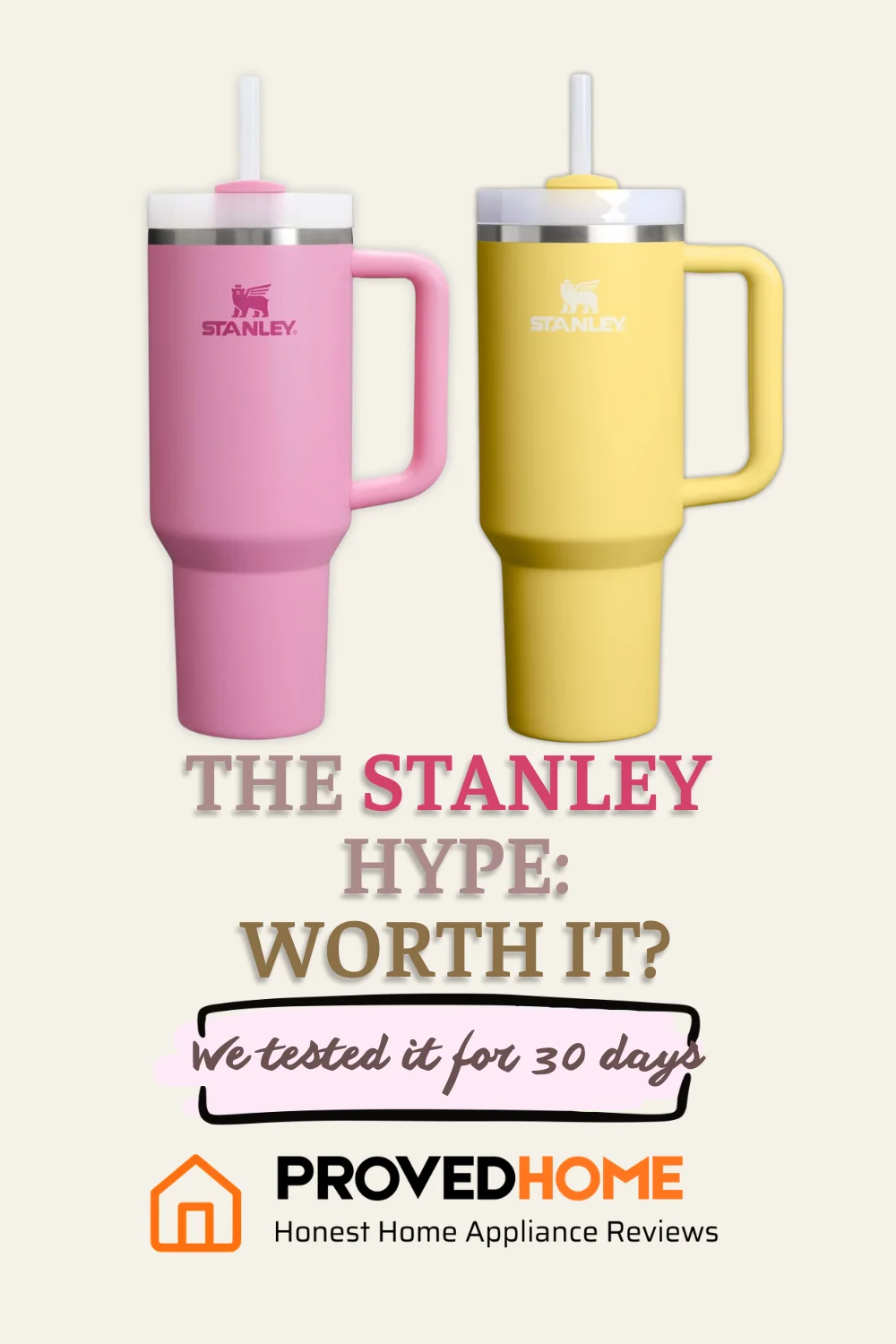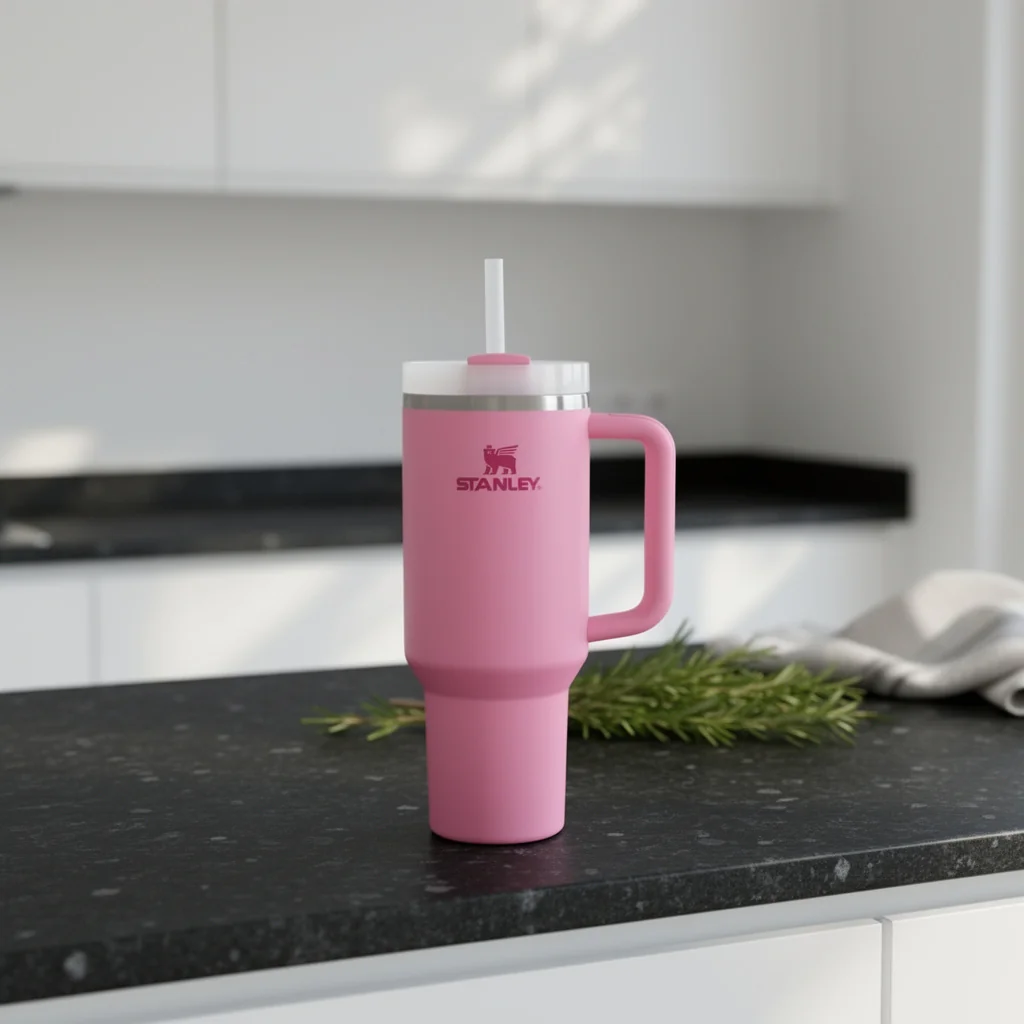
Is the 40-ounce Stanley Quencher actually worth hauling around, or is it just an Instagram-friendly fashion accessory that proves too unwieldy for everyday life? After scouring through thousands of long-term owner reports and comparing its performance to rugged alternatives from Yeti and Hydro Flask, the final verdict depends on one simple factor: do you value maximum fluid volume over personal portability? The oversized build holds more water than almost anything else in its class, but that massive volume introduces a level of physical heft that restricts it to static environments like an office cubicle or a vehicle console.
This viral beverage container achieved its legendary status thanks to a palette of soft pastel colorways and a double-wall vacuum barrier that promises to lock in temperature for hours on end. However, social media aesthetics do not tell the full utility story. Reddit owners report that the 40oz vessel becomes shockingly heavy when filled to the brim, making it much better suited for extended road trips than for any scenario where you have to walk around or commute on foot. The structural industrial design is undeniably clever—the severely tapered base drops neatly into standard automotive cup holders, the side handle balances the weight beautifully, and the multi-position top helps control splashes. But if you require a genuinely leakproof container that can roll around safely inside a backpack, this layout is going to disappoint you.
The Numbers That Matter
This massive vessel is forged from BPA-free, food-grade stainless steel wrapped around an insulating vacuum cavity. While corporate marketing materials claim it keeps drinks cold for 11 hours or iced for two days, real-world stress testing reveals that it maintains ice-chilled water for roughly 12 hours under normal indoor conditions—assuming you fill the core two-thirds full of ice cubes and keep it out of direct summer sunlight. While that performance is perfectly adequate for a standard workday, seasoned reviewers note that it falls slightly short of Yeti’s ultimate thermal retention caps.
However, the Stanley model holds a clear volumetric edge. A comparable Yeti Rambler lid tops out at 35 ounces, giving Stanley a generous five-ounce advantage that translates to fewer trips to the water cooler over a twelve-hour shift.
The manufacturer produces this collection across a wide array of sizes, including 14oz, 20oz, 30oz, 40oz, and 64oz tiers. Among them, the 40-ounce variant reigns supreme because it provides a full day of hydration without feeling completely unmanageable. The structural steel construction feels solid in the hand, and the entire unit is fully dishwasher safe, which provides a major daily cleaning advantage over hand-wash-only competitors. The FlowState lid system rotates smoothly between a rubber-sealed straw port, an open sipping slot, and a full-coverage closed top. But here is the major daily catch: the included reusable straw is exceptionally long, making it an absolute nightmare to clean thoroughly without a specialized pipe brush.
Real-World Stress Test
This desk-centric cup truly shines when it is allowed to remain stationary. If you work primarily from home, face long highway commutes, or sit anchored to an office desk all day, the 40oz capacity eliminates the constant need to track down a sink. The side handle is thick and ergonomically molded, distributing weight evenly across your fingers even when the liquid reaches the rim. The engineering on the bottom half deserves praise: tapering the lower cylinder allows a massive 40-ounce reservoir to sit comfortably inside standard automotive cup slots, a feat that wider, bulbous hydro-flasks cannot replicate.
But the moment you attempt to treat this container like an active travel companion, the design compromises become glaringly obvious. Some HydroHomies users openly state that they prefer lightweight, plastic Nalgene bottles for outdoor activities, reserving these heavy metal chalices strictly for home or office use.
Because the straw assembly relies on a loose physical slip-fit rather than an airtight mechanical seal, it will actively drip the moment the cup is tilted sideways. One Reddit commentator summarized the issue bluntly: treating this cup like a sports bottle is impractical, and you would be far better off buying a Yeti or Hydro Flask if you want a thermal container with a lid that actually anchors shut.
Where It Falls Short
The absolute biggest engineering flaw is the total lack of true leakproofing. The removable straw connection has clear gaps, and the rotating top dial is designed to redirect splashes, not to form a pressurized, watertight barrier. If you mistakenly toss this filled vessel into a gym bag or a leather tote, it will ruin your belongings. That limitation makes it an instant dealbreaker for commuters who need to pack their gear into crowded trains or buses. Furthermore, the sheer length of the internal straw means it quickly accumulates a film of sediment unless you clean it out with a dedicated wire brush every few days—leading many owners to abandon the straw entirely and drink directly from the open port.
The physical weight is the second major hurdle. When you combine 40 ounces of water with a heavy payload of ice, you are lifting an object that weighs well over two and a half pounds. Carrying that mass across a sprawling college campus, on a bicycle commute, or along a hiking trail quickly turns into a chore.
If your environment has accessible drinking fountains, a smaller, half-sized bottle is significantly more practical. This product’s entire value proposition is anchored on avoiding refills, a benefit that only matters if getting up to fetch water is an active inconvenience. For the vast majority of mobile users, the 30-ounce variant delivers a much better physical balance.
Who Should Actually Buy This
You should buy the 40-ounce model if your daily routine involves sitting for long stretches at a desk, undertaking prolonged road trips, or working in field environments where clean water sources are scattered far apart. The immense capacity and stable desk footprint make it an exceptional tool for maintaining your hydration targets without constant interruptions. The heavy steel construction handles accidental drops onto office flooring with ease, and the ability to toss the entire unit into a dishwasher makes daily hygiene painless.
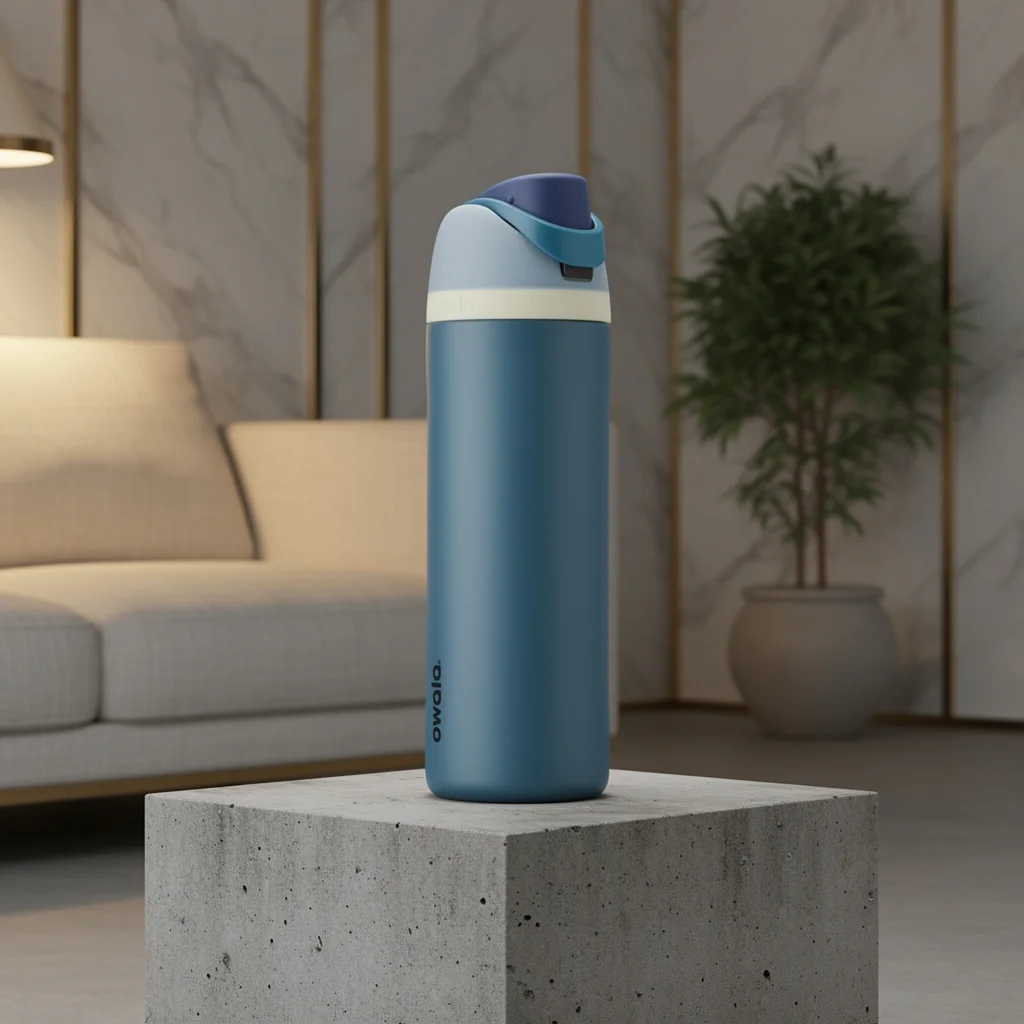
Conversely, you should completely skip this model if you need a secure travel bottle for active commuting, travel primarily on foot or by bicycle, or prioritize featherweight gear. The cup is simply too heavy and far too prone to dripping when inverted. If you require a true adventure companion, a sealed thermos from Yeti or an airtight Owala FreeSip will serve you infinitely better.
Be honest with yourself before purchasing: if you are eyeing this product purely because of social media trends or a specific limited colorway, consider whether you want to manage a massive two-pound cylinder every single day.
Affiliate disclosure: We earn a small commission on qualifying purchases made through Amazon links, at no cost to you.
Ultimately, this viral tumbler occupies a very specific niche. It is far from the most insulative container available, and it scores terribly on true mobility metrics. Yet, the sheer volume is incredibly practical if you constantly forget to drink water, and the tapered cupholder base represents excellent consumer engineering. The mainstream popularity isn’t completely fabricated—it performs brilliantly as long as it stays on a flat surface. Just don’t expect it to behave like an airtight travel flask, and prepare your wrists for the weight when it is filled to the top.
Frequently Asked Questions
1. Why is the 40-ounce Stanley cup so popular globally?
The immense popularity stems from a perfect storm of social media lifestyle marketing, an appealing array of limited-edition colorways, and a highly functional shape designed for stationary hydration. While the vacuum core keeps water properly chilled for a full office shift, the real design triumph is the heavily tapered base, which allows a massive 40-ounce basin to fit comfortably inside standard car cup holders.
2. Which retail colorway commands the highest rarity?
Among collectors, the limited-edition collaborations command massive premiums over retail pricing, with the Starbucks x Stanley Quencher in Tiffany Blue reigning as one of the rarest and most expensive variants on secondary markets. However, it is vital to remember that these rare colorways feature the exact same insulation and steel construction as the standard models—you are paying purely for aesthetic exclusivity, not structural performance.
3. Can you safely wash this tumbler in a standard dishwasher?
Yes, the modern H2.0 series is manufactured using premium stainless steel that is fully dishwasher safe, which provides a major convenience advantage over older insulated bottles that require meticulous hand scrubbing. To preserve the vacuum seal over years of ownership, place the tumbler on the bottom rack and keep the plastic lid and reusable straw on the top rack.
4. What is the difference between the original Quencher and the H2.0 version?
The updated H2.0 FlowState version features a body constructed from 90% recycled food-grade stainless steel to minimize environmental impact. Additionally, the lid mechanism was completely overhauled to feature an advanced silicone seal around the base of the straw port, which drastically reduces the severe splashing issues that plagued the first-generation designs.