Roborock Qrevo vs Shark Matrix Clean: Which Robot Vacuum Is Less Painful?
Why I Ended Up Testing Both
I wanted a robot vacuum that runs daily and doesn’t become a second job. That’s really the whole game with these things.
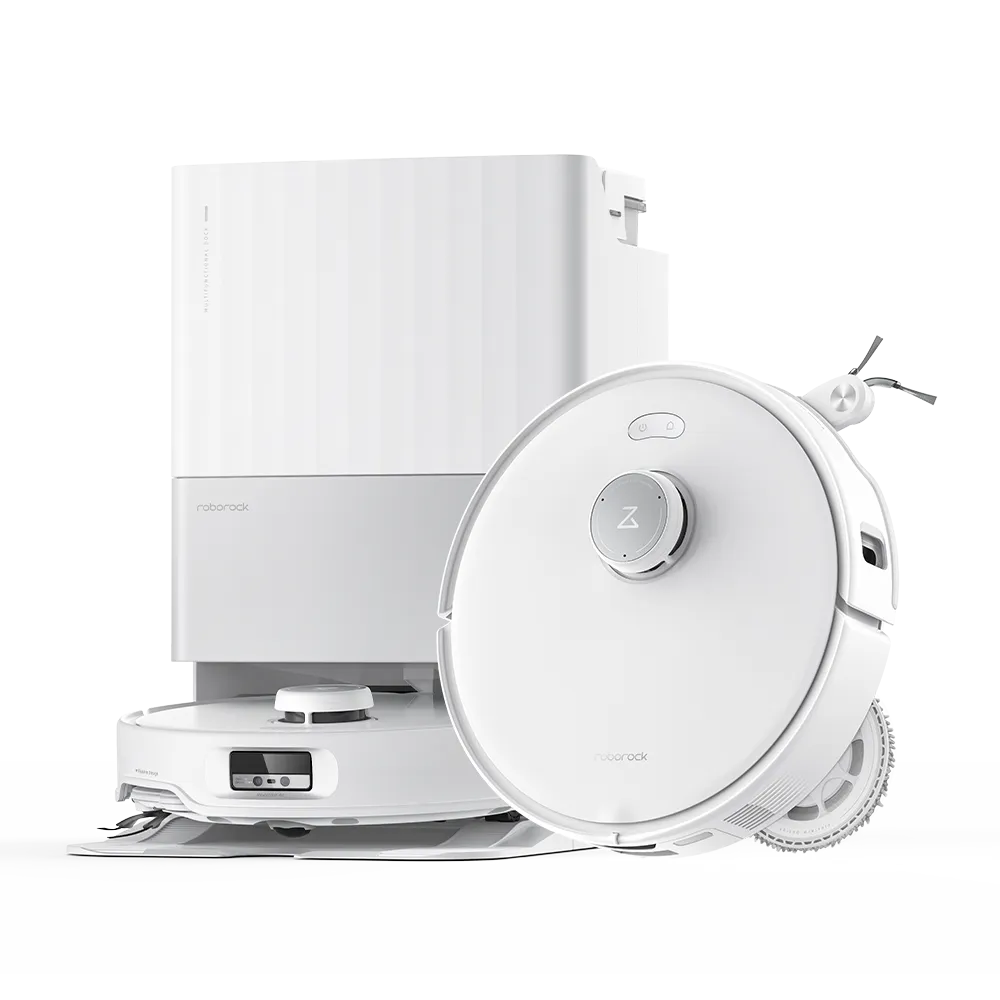
On paper, the Roborock Qrevo Series looks like the better machine. Better suction numbers, longer runtime, lidar navigation, even a mopping function. The specs make it look like a premium product.
But once you actually live with it for a few months, the cracks show.
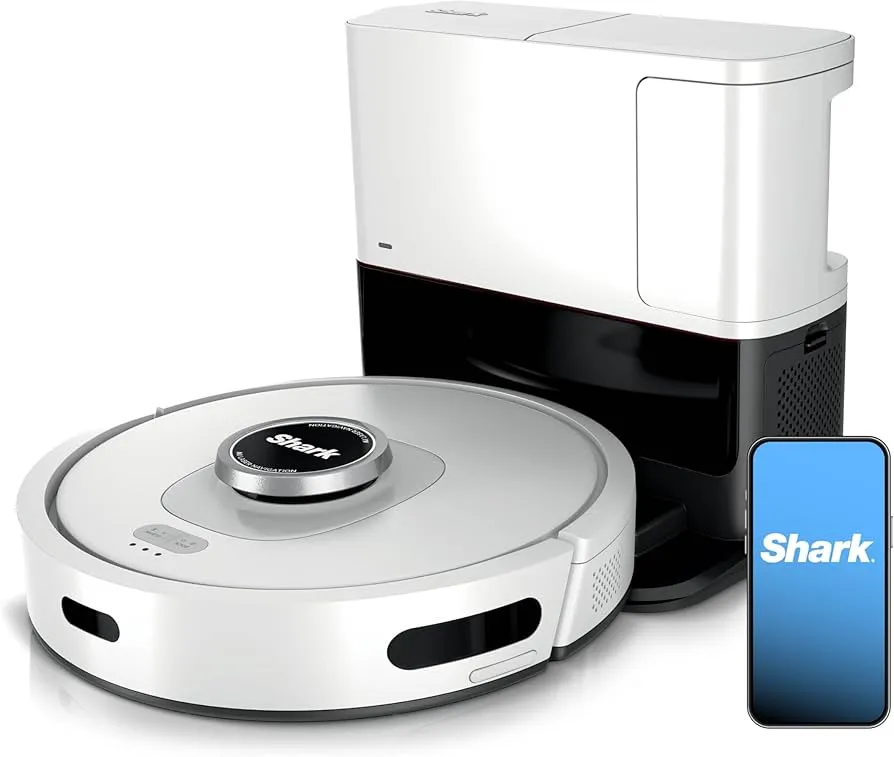
The Shark Matrix Clean Robot Vacuum is the simpler, cheaper option. It doesn’t mop. It doesn’t have lidar. It cleans in what Shark calls a “matrix” pattern — basically a grid — and it gets the job done without turning into a hobby.
The First 30 Days: Real Impressions
Roborock wins the “wow, this cleans well” phase. Even on the first run, the floors look noticeably cleaner than with my previous robot. The navigation is smart, it maps the house quickly, and it handles furniture obstacles well.
But even in month one, some things feel off. The app crashes at least once a week. The voice command integration is essentially non-functional — “Hey Google, ask Roborock to clean the kitchen” returns silence more often than not. And the mop function, which Roborock heavily markets, requires so much manual setup (filling the tank, removing the mop pad for carpet areas) that I stopped using it.
Shark isn’t glamorous. The app is clunky and dated. The mapping takes longer. But it maps correctly, it cleans reliably, and I haven’t had to restart the app once in six weeks.
The Frustrating Bits Nobody Warns You About
This is where Roborock falls apart. I measure a robot vacuum by how often I have to think about it. A good robot is invisible — it runs, it cleans, you forget it exists.
Roborock demands attention. The app needs restarting. The dust bin — and this is a design flaw I’ve seen confirmed in multiple owner forums — can’t fully utilize its own capacity. The bin fills unevenly and triggers the “full” sensor before it’s actually full, which means the robot stops mid-run and sits there waiting for you to notice.
Customer support turnaround is three weeks minimum. When something breaks — and with Roborock, “something” tends to break — you’re without the vacuum for a month. One owner on Reddit documented four separate repair requests in 18 months of ownership.
Shark has its own annoyances. The Matrix Clean mode only runs in one room per session, which means multi-room cleaning requires manual zone setting. The app is ugly and the interface feels like it was designed in 2018. These are honest-to-goodness inconveniences.
But they’re the inconveniences of a tool that works, not the frustrations of a tool that’s broken.
Which One Stays in My House?
Shark wins. Not because it’s better on paper — it isn’t. But because it does the job with less friction, costs less to repair when something breaks, and doesn’t require me to become a robot vacuum IT specialist.
Roborock Qrevo is the product you want to want. Great specs, impressive demo performance, genuinely good cleaning. And then you live with it for six months and realize you’re managing it more than it’s cleaning for you.
If I’m spending my own money and expecting daily use, I take the Shark Matrix Clean and move on with my life. The Qrevo sits on a store shelf looking beautiful. That’s its best use case.
As an Amazon Associate, we earn from qualifying purchases. Our editorial reviews are independent and not influenced by compensation.